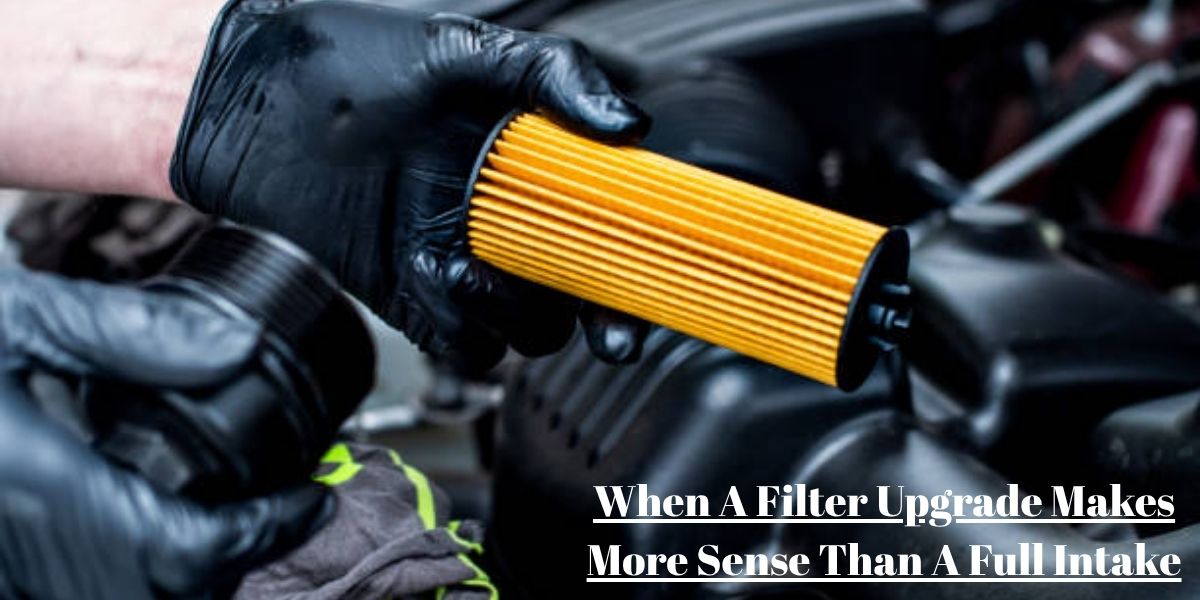
Upgrading a vehicle’s air intake system is often suggested to improve airflow and engine responsiveness, but a full intake replacement is not always necessary. In many cases, simply upgrading the air filter can improve airflow efficiency, filtration quality, and maintenance convenience without modifying the existing intake system. Understanding when a filter upgrade is sufficient helps drivers balance performance improvements with cost, installation effort, and long-term reliability, especially for vehicles used primarily for everyday driving.
The Factory Intake System Is Already Efficient
Many modern vehicles are designed with carefully engineered intake systems that prioritise balanced airflow, filtration, and noise control. Manufacturers often optimise the intake path using airflow modelling to ensure engines receive sufficient air under most driving conditions.
In situations where the factory intake already flows efficiently, replacing the entire intake assembly may produce only minimal gains. In these cases, installing a high-quality filter like K&N high-flow performance air filters and intake systems can improve airflow while keeping the original intake housing intact. These filters are typically designed with less restrictive filtration media, allowing improved airflow without requiring a complete system overhaul.
For everyday vehicles that rarely operate at the limits of airflow demand, the existing intake design is usually sufficient. A performance filter simply enhances airflow efficiency within the system that is already in place.
Better Airflow Without Major Modifications
Full intake systems often involve replacing intake tubing, housings, and sometimes sensors. While these upgrades can improve airflow in performance applications, they may require additional installation time and sometimes small adjustments to surrounding components.
A filter upgrade, by comparison, is usually a direct replacement inside the factory airbox. This makes installation straightforward and preserves the vehicle’s original design. Drivers can gain improved airflow and filtration without altering the vehicle’s intake routing or exposing components to additional heat sources.
For many drivers seeking modest efficiency improvements rather than aggressive performance gains, a filter upgrade provides a practical middle ground.
Cost Efficiency Over Maximum Gains
Full intake kits can be significantly more expensive than replacement filters. While they may offer performance benefits in certain conditions, those gains are often modest for standard road vehicles.
A quality high-flow filter offers a more cost-effective option for drivers who want improved airflow characteristics without investing in a full intake system. Because the original airbox and intake tubing remain unchanged, the upgrade focuses only on improving the most restrictive component of the intake path.
From a practical perspective, this approach allows drivers to enhance intake performance while keeping upgrade costs manageable.
Daily Driving Reliability Is The Priority
Performance intake systems sometimes prioritise maximum airflow over other factors such as water protection, intake noise control, or filtration longevity. For vehicles used primarily for daily commuting, these trade-offs may not always be desirable.
The factory airbox is designed to shield the intake from road debris, water exposure, and excessive engine heat. This enclosed design also helps reduce the risk of hydrolock when vehicles encounter heavy rain or standing water on the road. Retaining the factory housing while installing a higher-flow filter maintains these protective benefits while still improving airflow efficiency.
For drivers who prioritise long-term reliability, stable filtration performance, and minimal maintenance complications, upgrading the filter alone can be the more balanced solution.
Maintenance Convenience Matters
Another advantage of performance air filters is that many are designed to be reusable. Instead of discarding the filter during routine servicing, drivers can clean and reinstall it after proper maintenance.
Reusable filters often rely on cotton gauze filtration, a material engineered to capture particles while allowing greater airflow compared with conventional paper filtration media. This design allows filters to maintain airflow performance while still providing effective engine protection.
For drivers who maintain their vehicles regularly, reusable filters simplify ongoing servicing and can reduce long-term replacement costs.
Practical Gains Without Replacing The Entire Intake
While full intake systems can offer advantages in certain performance-focused scenarios, they are not always necessary for everyday vehicles. If the factory intake design already performs efficiently, upgrading the air filter can improve airflow while preserving the durability and protective design of the original system.
For many drivers, this smaller upgrade delivers a practical balance between airflow improvement, reliability, and cost. By focusing on the most restrictive part of the intake system, a quality filter upgrade can enhance performance characteristics while maintaining the stability of the factory intake setup.