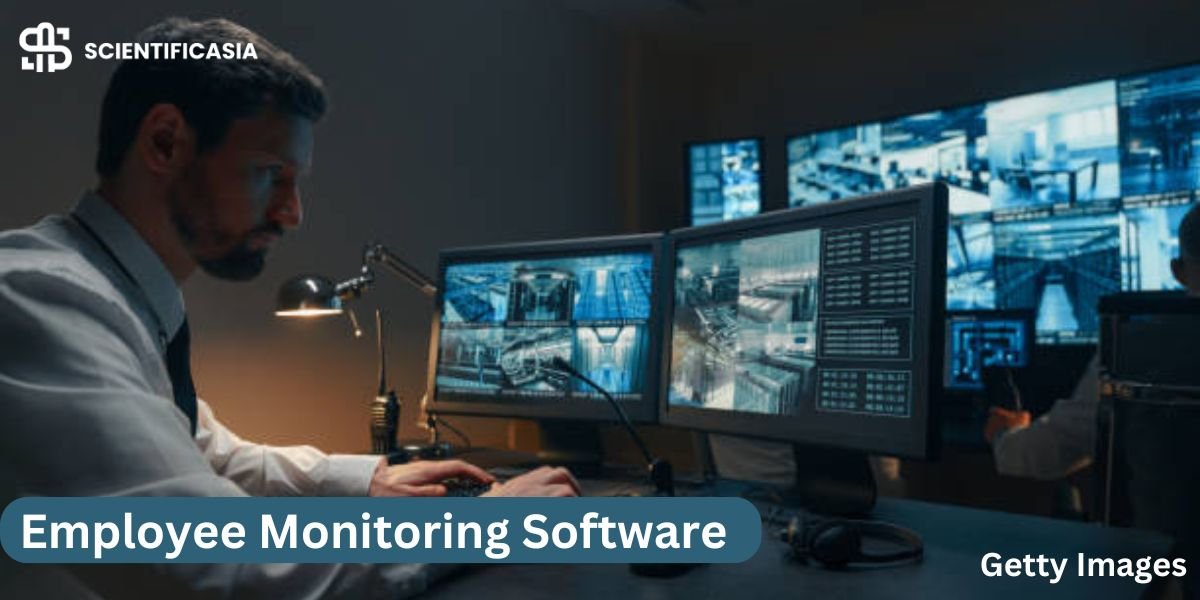
Employee monitoring software has become common as organizations manage larger volumes of information, distributed teams, and remote work. Used well, it can genuinely help with productivity insight, project tracking, and data protection. Used carelessly, it can breach privacy laws, trigger significant fines, and damage the trust that makes teams work.
This article covers both sides: what the software does and where it genuinely helps, and equally importantly, what the law requires and how to deploy it responsibly. That second part is the half most articles leave out, and it is the half that carries real legal and financial risk.
What Is Employee Monitoring Software?
Employee monitoring software lets employers observe how work time is used: which tasks are worked on, how time is allocated, and overall productivity. Tools range from simple time trackers to systems that capture keystrokes, take screenshots, or use GPS for field staff.
Its core purpose is to help organizations keep teams effective and to protect company information. But because it collects data about identifiable people, it is also subject to privacy law, which is where responsible use begins.
Where It Genuinely Helps
Used lawfully and transparently, employee monitoring software offers real benefits.
Productivity insight. Showing how time is spent across tasks helps managers spot bottlenecks, rebalance workloads, and improve scheduling. The value is in the aggregate patterns, not in watching individuals.
Project tracking. Time-tracking against specific tasks and projects helps teams see whether work is on schedule, which is particularly useful for teams spread across shifts or time zones.
Data loss prevention (DLP). Integrated DLP can flag or block confidential data leaving the organization through email, cloud storage, or USB devices. This matters most in industries handling intellectual property, financial data, or personal customer information.
Reducing time theft. Clock-in/clock-out systems and idle-time tracking help ensure people are paid accurately for hours actually worked.
Remote workforce management. As remote and hybrid work have grown, monitoring tools give managers visibility into distributed teams, helping ensure remote staff have the support and workload balance they need.
A caveat worth stating up front, because it complicates the simple “monitoring boosts productivity” story: recent 2026 data cited by industry analysts found that organizations using transparent, privacy-respecting monitoring tools saw higher productivity gains than those using covert “black box” surveillance. In other words, how you monitor matters more than whether you monitor. Heavy-handed surveillance can reduce the very productivity it is meant to increase.
⚠ The Part Most Articles Skip: What the Law Requires
This is the section that turns monitoring from a liability into a responsible practice, and it is the one the original version of this article left out entirely.
Employee monitoring is heavily regulated. Deploying it without understanding the rules can expose your organization to serious fines and legal claims. Here is the current landscape.
In the EU and UK: GDPR
Under GDPR, monitoring employees means processing their personal data, which requires a lawful basis. The most common valid basis is “legitimate interest,” backed by a documented balancing test that weighs your business need against employees’ privacy rights.
Notably, consent is a weak basis in employment. EU regulators have consistently held that employees cannot freely consent to monitoring because of the power imbalance with their employer, so relying on consent alone is risky. The more intrusive the monitoring, the stronger your documented justification must be, and blanket keystroke logging is far harder to justify than targeted theft prevention.
GDPR fines reach up to 4% of global revenue or 20 million euros, whichever is higher, and enforcement has specifically targeted workplace monitoring. The 2026 EU AI Act adds further transparency obligations for AI-driven monitoring, including productivity scoring and idle-time detection. Individual EU countries, including Germany and France, impose additional requirements, and some require works council consultation before monitoring is introduced.
In the US: a patchwork
There is no single federal employee monitoring law. The federal Electronic Communications Privacy Act (ECPA) permits monitoring of company-owned systems for legitimate business purposes. On top of that, as of 2026, around 20 states have comprehensive privacy laws affecting monitoring:
- Connecticut requires conspicuous advance written notice of electronic monitoring
- New York requires written acknowledgment from employees
- Illinois (BIPA) imposes strict consent rules for biometric data such as fingerprints or facial recognition
- California (CPRA) gives workers the right to know about monitoring, access their data, and request corrections or deletion
If you operate across jurisdictions, your policy needs to meet the strictest standard to which you are subject.
The principles that keep you compliant almost anywhere
Professional guidance converges on a consistent set of practices:
- Monitor company-owned devices only, not personal devices or personal time, without explicit consent
- Disclose the monitoring clearly, in writing, before it begins
- Collect only business-necessary data (data minimization), and avoid the most intrusive methods unless you can strongly justify them
- Set a retention limit and delete data on a rolling cycle (for footage, around 30 days is defensible; 6 to 12 months without a documented reason is likely excessive)
- Give employees access to their own data, which most privacy laws require
- Keep a human in the loop for any decision that significantly affects someone, rather than relying on automated scoring
⚠ The Human Side: Trust and Morale
Legality is the floor, not the ceiling. Something can be technically legal and still corrosive.
Survey data indicates that 51% of monitored employees report feeling micromanaged, and monitoring that is perceived as surveillance erodes the psychological safety that collaboration depends on. This connects directly to the productivity finding above: covert, heavy-handed monitoring can undermine the trust and engagement that actually drive performance.
The practical conclusion is not “don’t monitor.” It is “be transparent about it.” Explain what you are monitoring and why, focus on business-necessary metrics rather than surveillance for its own sake, invite employee input, and frame it as a tool for improving how work gets done rather than catching people out. Monitoring that employees understand and see the purpose of is far less damaging than monitoring that feels like spying.
Essential Features to Look For
When evaluating employee monitoring software, useful features include:
- Real-time activity monitoring (applications and websites in use)
- Project and task time tracking
- Data loss prevention controls
- Idle-time tracking
- Configurable data retention and automatic deletion
- Role-based access, so only designated managers can view detailed data
- Employee self-view, letting staff see their own data (which supports legal access rights)
- Transparent-mode operation, with a visible indicator rather than covert running
- Automated alerts for genuinely anomalous activity
Note that the last few features, configurable retention, role-based access, employee self-view, and transparent operation, are not just conveniences. They are what make a tool compliance-friendly, so weigh them heavily.
Conclusion
Employee monitoring software can deliver real value: productivity insight, better project tracking, data protection, and support for remote teams. But it is not the unambiguous good that vendor-style articles often suggest. It is a legally regulated practice with genuine effects on trust, and using it well means treating compliance and transparency as central rather than optional.
The organizations that get the most from it are not the ones that monitor the most intensively. They are the ones that monitor lawfully, disclose clearly, collect only what they need, and treat their employees as participants rather than subjects. Done that way, monitoring supports both productivity and trust. Done covertly or excessively, it risks fines, legal claims, and the erosion of the very engagement it was meant to improve.
Before deploying any monitoring, have your policy reviewed by an employment lawyer or data protection professional in your jurisdiction. The rules vary; they matter, and getting them right is far cheaper than getting them wrong.
Frequently Asked Questions
Is employee monitoring software legal?
Generally yes, but it is regulated. In the EU and UK, GDPR requires a lawful basis, usually legitimate interest with a documented balancing test. In the US, the federal ECPA permits monitoring of company systems for legitimate business purposes, but around 20 states add their own requirements. The safest approach is to monitor company devices only, disclose it clearly, and collect only what you need.
Do you need employee consent to monitor them?
It depends on the jurisdiction. Under GDPR, consent is actually a weak basis because employees cannot freely refuse, so employers usually rely on legitimate interest instead. In several US states, written notice or acknowledgment is required. Some data, such as biometrics under Illinois’s BIPA, does require explicit consent. Always check your local rules.
Can you monitor employees’ personal devices?
This is legally risky and generally advised against without explicit consent. The consistent professional guidance is to monitor company-owned devices only, and not to extend monitoring into personal time or personal equipment.
Does employee monitoring actually improve productivity?
It can, but not automatically. Recent data suggests transparent, privacy-respecting monitoring produces better productivity gains than covert surveillance, which can backfire by damaging trust and morale. How you monitor matters as much as whether you do.
What are the penalties for non-compliant monitoring?
Under GDPR, fines can reach 4% of global revenue or 20 million euros, and enforcement has specifically targeted workplace monitoring. US state laws carry their own penalties. Beyond fines, non-compliant or covert monitoring can trigger employee legal claims and serious reputational and morale damage.
How long should monitoring data be kept?
Only as long as necessary for the stated purpose. For video footage, around 30 days is a defensible standard, while keeping data for 6 to 12 months without a documented reason is likely to be considered excessive under GDPR. Automatic deletion on a rolling cycle is the most reliable approach.