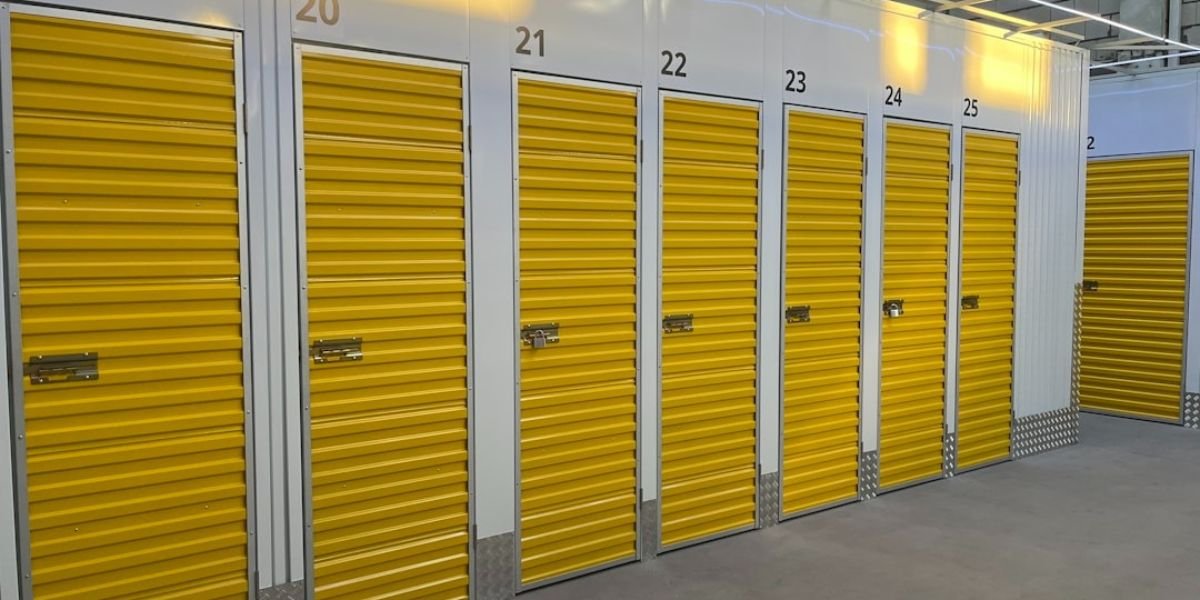
Finding a suitable storage unit can often be a daunting task, particularly when you’re unsure of what features to prioritize or how to evaluate the multitude of options available. Numerous factors, such as size, climate control, security, cost, and convenience, play critical roles in determining the ideal storage solution. In this article, we will take a closer look at how you can make an informed decision based on these aspects and find a storage unit that caters perfectly to your needs. Keep reading to learn more.
Assessing Your Storage Needs: Size, Duration, and Accessibility
Before choosing a storage unit, take time to evaluate what you’ll be storing and how much space you actually need. The right size helps you avoid overpaying while still allowing for easy movement and access to items. Also consider how long you’ll need the unit, since long-term storage may offer better rates, while short-term needs benefit from flexible contracts and convenient access hours.
Location and accessibility matter just as much as price. If you’ll be visiting often, searching for a storage unit near me can save time and travel costs. For less frequent visits, a slightly farther facility may be more affordable, as long as it remains reasonably accessible when you need it.
Understanding Different Types of Storage Units: Climate-Controlled vs. Standard
Storage units generally fall into two types: climate-controlled and standard. Climate-controlled units regulate temperature and humidity, making them ideal for sensitive items like electronics, wooden furniture, and musical instruments, especially in areas with extreme weather conditions. While they cost more, they help prevent damage caused by moisture, heat, or cold.
Standard units lack insulation and climate regulation, offering a more affordable option for sturdy items that can tolerate environmental changes. Choosing between the two depends on local climate and the materials of your belongings. Proper packaging remains important for standard units to protect items from dust, pests, and environmental exposure.
Evaluating the Security Measures of Storage Facilities
When choosing a storage facility, security should be a top priority to ensure your belongings remain safe. Facilities with strong measures such as round-the-clock surveillance, gated entry, and individual unit alarms help deter theft and vandalism while providing peace of mind. Visiting locations in person allows you to assess visible cameras, lighting, maintenance, and whether security personnel or patrols are present.
Asking about emergency and breach response protocols, including on-site management, reveals how seriously safety is handled. Consider other protective practices like fire prevention systems, pest control, and available insurance options, as these features reflect the facility’s commitment to maintaining a secure and well-managed environment.
Comparing Costs: Finding Value in Storage Unit Features and Location
Cost is a key consideration when selecting a storage unit, but the lowest price does not always offer the best value. It is important to compare pricing alongside amenities such as climate control, security measures, and accessibility, as some facilities include these features while others charge extra.
Location also affects value, since closer units may cost more but save time and transportation expenses, while distant facilities may suit infrequent access needs. Comparing promotions, long-term discounts, and new-customer offers can reduce expenses. Attention should also be given to possible hidden fees, including insurance requirements, late charges, or post-promotion rate increases, to keep costs predictable and manageable.
Reading Reviews and Getting Recommendations for Storage Units
Evaluating a storage facility often begins with customer reviews, which reveal real experiences and recurring strengths or problems. Feedback about service quality, cleanliness, security, and access can strongly influence satisfaction. Recommendations from friends, family, or colleagues add another trusted perspective and are best weighed alongside online ratings to form a balanced view.
Insights from local moving companies or real estate agents can also be helpful, as they regularly work with storage providers and may know which facilities are reliable or offer preferred pricing. After narrowing options, visiting shortlisted locations allows direct assessment of staff professionalism, unit conditions, security measures, and flexibility in terms of helping renters make informed choices.
Overall, finding the right storage unit requires careful consideration of several key factors, including size, climate concerns, security, cost, and reputation. By thoroughly evaluating these aspects and leveraging reviews and personal recommendations, you’ll be better positioned to select a unit that offers both great value and peace of mind for your stored belongings.