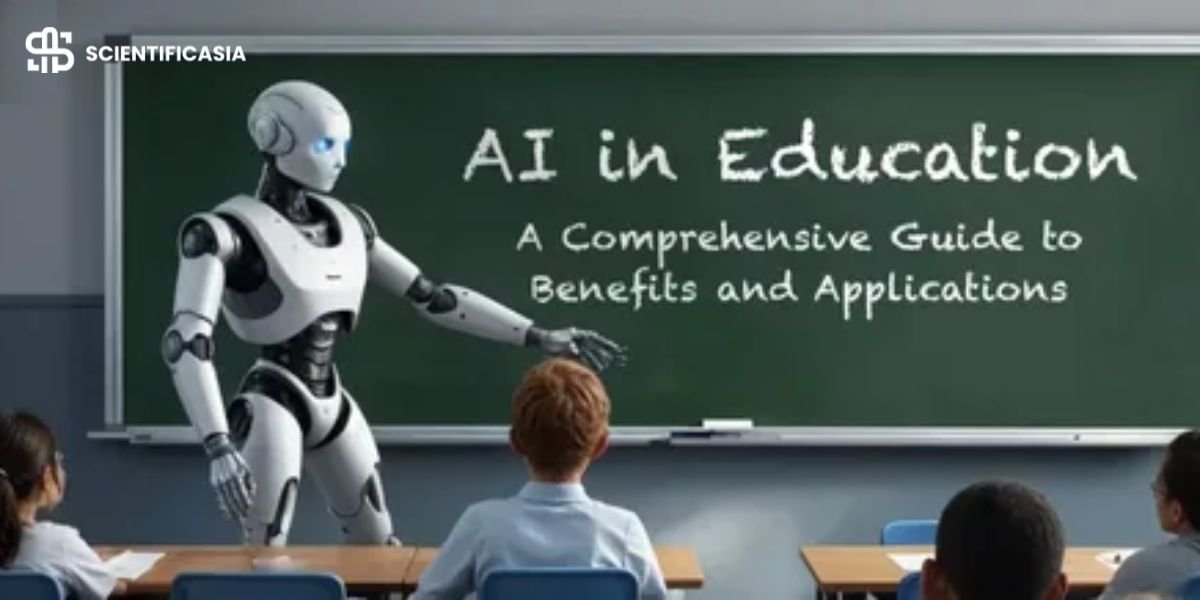
Did you know that AI in education will change your classroom even more than the internet did?
You might think artificial intelligence is just for robots, but it is already helping students and teachers every day. AI tools are making learning much more personal and efficient. This big shift toward using artificial intelligence in education means that schools are finding better ways to help every single student succeed.
Let’s look closely at how AI technology is helping today’s schools.
A Brief History of Artificial Intelligence in Education
Artificial intelligence has been helping students for a very long time. It did not just appear recently.
- Teaching Machines: The first ideas came out almost 100 years ago, back in the 1920s. These were simple devices that gave students questions. They told you instantly if you were right or wrong.
- First Computer Classes: In the 1960s, big computers were used for teaching. A system called PLATO let students take lessons right on the computer. This was huge because it showed that computers could teach many students at once.
- Smart Tutors: Later, in the 1970s, new systems appeared. They were called Intelligent Tutoring Systems. They could change the lesson based on your answers. If you got things wrong, the system would slow down and explain it better.
- The Big Change: Recently, new programs like ChatGPT arrived. These programs can write and talk like humans. This change made everyone in schools think differently about how to use AI in schools.
How AI Is Transforming Modern Classrooms
Artificial intelligence is changing the way teachers teach and the way students learn. It helps with personal attention and saves time.
Personalized and Adaptive Learning
In most classes, everyone learns at the same speed. But AI can change that. Adaptive learning tools use smart computer programs to adjust lessons just for you. If you already know something, you can move on faster. If you struggle, the program gives you more practice and different ways to explain the idea.
- My personal experience shows that this is the best part of AI. When I see students use these tools, their grades go up quickly.
- This personal speed helps students feel less stressed and more confident.
- Research confirms that students who use this personalized approach learn much more than those in traditional classes.
Intelligent Tutoring Systems
These are truly personalized coaches inside a computer. They watch exactly how you solve problems. They give you instant, useful advice. They help you think through a tough math problem or write a better sentence. This focused, one-on-one help used to be something only expensive private tutors offered.
AI for Teachers and Administrators
Teachers have lots of paperwork and busy work. AI takes care of these tasks so teachers can focus on teaching.
- Fast Grading: AI can quickly score tests and simple assignments. This gives students faster feedback and saves teachers many hours.
- Data Help: The AI looks at all the grades and class data. It quickly tells the teacher if many students are struggling with the same concept. This helps the teacher fix the problem right away.
- Planning Support: Teachers use AI to get ideas for new lessons. It can also help them quickly create materials for students who need extra help or extra challenges.
AI in Curriculum Design
The curriculum is the plan of what you learn each year. AI is starting to help design this plan. AI can create new quizzes and learning materials that match many different styles of learning. It helps keep all the class content fresh and interesting for everyone.
Key Benefits of AI in Education
The biggest reasons to use artificial intelligence education are to make school better, fairer, and more effective.
Improved Learning Outcomes
When you get lessons that fit your brain exactly, you learn better. When studies compared students using AI tools to students in regular classes, the AI students often got much higher test scores. AI makes sure you do not have holes in your basic knowledge before you move on to harder stuff.
Enhanced Accessibility and Inclusion
AI makes education possible for more people.
- Help for Everyone: Tools can read text out loud for students who have trouble reading. They can also turn what a student says into written words.
- Breaking Language Barriers: If a student is learning English, AI can translate material right away. This makes sure every student gets the same quality of learning materials.
Efficient Assessment and Feedback
Getting feedback quickly is key to learning. When an AI tool grades your quiz, you know your mistakes immediately. You can fix them while the lesson is still fresh in your mind. This instant feedback is much more helpful than waiting a week for the teacher to grade 100 papers.
Reduced Administrative Burden for Teachers
Teachers often feel very stressed by tasks that are not actually teaching. Think about attendance sheets and report cards. AI automates all that. This means your teachers can spend more time planning fun lessons and talking to you. It makes their jobs better.
Encouraging Lifelong Learning
Learning is not just for the school year. AI tools, like chatbots, are always available. You can ask them questions about anything, at any time of day. This encourages lifelong learning and helps you to be curious and to keep learning new things even after you finish your homework.
Challenges and Ethical Concerns
We must be careful when we use ai in classrooms. It is important to know the risks so we can use the tools safely and wisely.
Data Privacy and Student Safety
AI tools collect a lot of data. They know your grades, how long you study, and where you struggle. This information is private. Schools must have super strict rules to protect this data. We need to make sure no one can access or use your personal learning information incorrectly.
Bias and Fairness in AI Algorithms
This is a big problem that we must watch closely. AI learns from huge amounts of information. If that information has unfair ideas about people, the AI can become unfair, too. For example, if an AI is trained mostly on data from one country, it might not help students from other countries as well. We have to test AI constantly to make sure it is fair to every student.
Academic Integrity and AI Misuse
Since new AI can write essays, cheating is a major worry. My suggestion to students is this: AI should be a helper, not a cheat code. Schools need clear rules. They must teach students how to use AI to improve their ideas and write better, not just to write the whole paper for them.
Cost and Infrastructure Limitations
Not every school has enough money for the best AI tools. They also need very fast Wi-Fi and updated computers. If only rich schools can afford the best tools, it makes the gap between schools even bigger. Everyone should have equal access to this technology.
Real-World Use Cases of AI in Education
AI is already helping in many specific ways in schools right now.
AI in K–12 Classrooms
- Adaptive Practice: Tools like DreamBox adjust math problems in real-time based on your skills.
- Feedback on Writing: Tools give instant tips on grammar, spelling, and how to structure your essays.
- Virtual Field Trips: AI can create immersive trips. Students can explore a volcano or a historical event without leaving their seats.
Higher Education Applications
Colleges use AI in higher education for larger, system-wide problems.
- Finding Students Who Need Help: AI looks at student data to predict who might be struggling. This lets college staff reach out and help those students before they drop out.
- Automating Questions: College chatbots answer thousands of common questions about admission deadlines or class schedules.
EdTech Startups and Innovations
New companies are always making exciting new tools for AI education. They are working on things like:
- Creating tools that help teachers quickly design the best lesson plan for their class.
- Building virtual reality programs where students can practice skills in a safe, simulated world.
How Students and Teachers Use AI Tools
AI is a tool that helps everyone in the school building, but they use it for different things.
Student Use
Students primarily use AI as a study helper.
- Students ask AI to make practice quizzes before a big test.
- They use AI to get an easier explanation of a tough concept they do not understand.
- You can use AI to get instant feedback on a written paragraph so you can fix it right away.
Teacher Use
Teachers use AI to save time and customize lessons.
- Teachers ask AI to create three different versions of a worksheet for students at low, medium, and high skill levels.
- They use AI to help grade objective tests and save time for grading essays.
- Teachers ask AI for ideas to make lessons more interactive and engaging.
Implementing AI in Schools – Best Practices
For a school to use AI successfully, it needs a clear plan.
Setting Clear Learning Objectives
Schools must first decide what problem they want the AI to solve. Do they need better test scores, or do they need to make teaching easier? They must pick tools that match those goals. They also need clear rules about how everyone uses the AI.
Training Educators and Staff
Teachers need great training. They must learn how to use the tools to make their jobs better.
- Training should focus on how to teach with AI, not just how to click the buttons.
- Teachers must learn to spot when an AI gives a bad or unfair answer.
- A great way to train staff is with short, focused workshops. This respects their busy schedules.
Monitoring and Evaluation
Schools cannot just install AI and forget about it. They need to check it constantly. Are students actually learning more? Are the tools being used fairly? If the AI is not helping, the school must be ready to change the tool or the rules.
Global and Institutional AI Initiatives in Education
Big international groups are setting the rules for artificial intelligence in education.
UNESCO and OECD AI Frameworks
These important world organizations provide guidance.
- UNESCO created frameworks to teach students and teachers about AI. They focus on using it ethically and responsibly.
- The OECD created principles that say AI must respect human rights and democratic values. They say that humans must always be in charge of AI systems.
National AI Policies for Education
Many countries now have plans to teach all students about AI. They know that future jobs will require these skills. These national plans help ensure that all schools start teaching AI education so students are ready for the working world.
Role of Private Sector and EdTech Companies
Companies that make AI tools are essential. Schools need to choose companies that promise to keep student data safe. My advice is that schools should look for partners that are transparent about how their AI works.
The Future of AI in Education
The future of AI in education will feel like a big step forward.
- Customized Learning: Learning will be fully tailored. The school experience will be perfect for you, not just for the average student.
- Creative Focus: Teachers will spend most of their time teaching important human skills like creativity, solving big problems, and teamwork. The AI will handle the facts and figures.
- New Credentials: You might start getting certificates, called micro-credentials, for specific skills you learn, instead of just one big diploma.
Conclusion
The move to integrate AI in education is an exciting change. This technology gives us the chance to make school better than ever. It allows for truly personalized learning, reduces the burden on teachers, and gives us fast feedback.
If we address the ethical issues of data privacy and fairness wisely, we can make sure that AI works as a true partner. This partnership will help every student get the best education possible.
Frequently Asked Questions (FAQs)
What Is AI in Education?
AI in education means using smart computer programs to improve teaching and learning. It includes tools that adapt lessons to your speed, give you instant feedback, and help teachers with administrative work. The goal is to make education more effective and personal.
How Can AI Be Used in Classrooms?
Students use AI for personalized practice, instant homework help, and creating study materials. Teachers use it for grading, creating different versions of assignments, and getting quick data on where the whole class is struggling.
What Are the Pros and Cons of AI in Education?
The pros are much better learning results, less workload for teachers, and increased accessibility. The cons include the risks to student data privacy, the danger of unfair bias in the programs, and the challenges of cheating.
Is AI Replacing Teachers or Supporting Them?
AI is designed to be a powerful tool that supports teachers. It takes over routine tasks like grading and simple instruction. This allows human teachers to focus on their unique skills: mentoring, inspiring, and teaching critical thinking.
What Is the Future Scope of AI in Schools?
In the future, AI will customize your entire school path. Teachers will be coaches focusing on human skills. You will use immersive tools like VR to learn. The classroom will feel much more engaging and focused on individual success.
Sources and References
- https://www.researchgate.net/figure/Timeline-of-AI-in-education_fig1_337770984 (ResearchGate, Timeline of AI in education)
- https://ppaccone.medium.com/the-history-of-ai-in-education-7305b6f30a39 (Peter Paccone, The History of AI in Education)
- https://learningsciences.smu.edu/blog/artificial-intelligence-in-education (SMU Learning Sciences, Artificial Intelligence in Education)
- https://www.tekrevol.com/blogs/ai-in-education/ (TekRevol, AI in Education)
- https://onlinedegrees.sandiego.edu/artificial-intelligence-education/ (University of San Diego Online Degrees, Artificial Intelligence in Education)
- https://www.edweek.org/technology/5-best-practices-for-crafting-a-school-or-district-ai-policy/2025/10 (Education Week, School or District AI Policy)
- https://schoolai.com/blog/best-strategies-ai-staff-training-education (SchoolAI, AI Staff Training in Education)
- https://www.unesco.org/en/articles/what-you-need-know-about-unescos-new-ai-competency-frameworks-students-and-teachers (UNESCO, AI Competency Frameworks)
- https://www.oecd.org/en/topics/ai-principles.html (OECD, AI Principles)