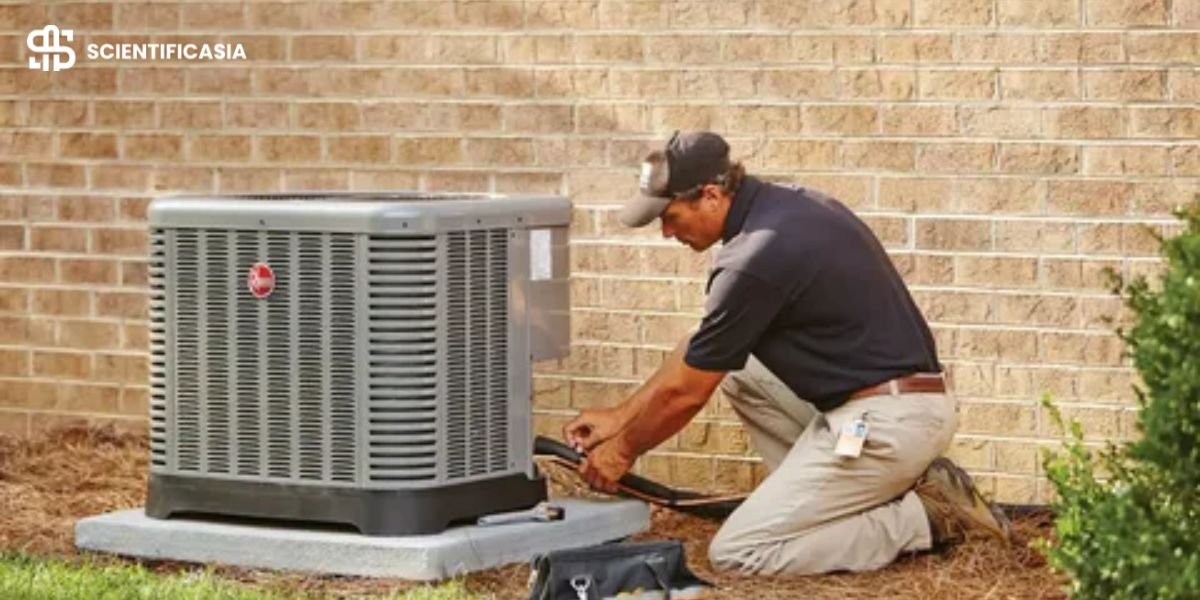
Most homeowners don’t wake up one day and decide to neglect their HVAC system. What usually happens is simpler. The house feels comfortable. The system turns on. No strange noises, no obvious leaks. So it feels safe to assume everything is fine. Many people trust that as long as the equipment runs, professional service can wait — especially when working with a local Bay Area HVAC company feels optional rather than essential.
The issue is that HVAC systems don’t work in obvious ways. They can lose efficiency, strain internal parts, or drift out of calibration while still doing their job — at least on the surface. That’s why misunderstandings around an annual HVAC checkup are so common. And why they often lead to surprises nobody wants.
Thinking a Checkup Is Just a Quick Filter Change
For many homeowners, HVAC care starts and ends with the air filter. Change it a few times a year, and that’s considered enough. Filters matter, but they don’t tell the whole story. They protect airflow, not the internal health of the system.
A system can have clean airflow and still struggle internally. Electrical connections loosen over time. Refrigerant levels shift. Drain lines partially clog without backing up. A proper home HVAC inspection focuses on how the system is actually operating, not just what’s easy to see.
Believing “No Problems = No Need for Service”
This assumption causes more damage than most people realize. HVAC systems rarely fail without warning. The warning signs just aren’t always obvious. A component might run hotter than it should. A sensor might be slightly off. A motor may draw more power than normal without triggering alarms.
None of that immediately affects comfort. But all of it shortens lifespan. This is where HVAC maintenance plays its role — not as a reaction, but as prevention. Systems that are checked regularly tend to age more evenly and predictably, rather than failing suddenly.
Scheduling Maintenance Only After Extreme Weather Hits
Many homeowners don’t think about their HVAC system until temperatures swing hard. A heatwave hits, the system struggles, and suddenly service feels urgent. At that point, the problem is no longer just performance, but timing.
The problem is timing. During extreme weather, systems are under the most stress, and technicians are in the highest demand. Everyone can breathe easier by scheduling an annual HVAC inspection before busy times. When options are limited and expenses are rising significantly, small tweaks implemented early on can prevent problems later.
Assuming DIY Inspections Are Enough
Basic upkeep is helpful. Cleaning around the unit, replacing filters, checking vents — all good habits. The mistake is assuming those steps replace professional evaluation. HVAC systems involve electrical, mechanical, and pressure-based components that aren’t visible during casual checks.
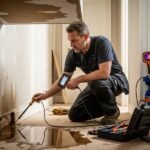
Without specialized tools, it’s impossible to measure electrical load, airflow balance, or refrigerant performance accurately. A technician performing a home HVAC inspection isn’t just looking for current failures. They’re looking for patterns that suggest future ones, often long before homeowners notice any change.
Underestimating the Financial Impact of Skipping Checkups
Skipping service often feels harmless. The system still works, after all. But systems that aren’t maintained tend to work harder than they should. That extra effort shows up slowly — higher energy bills, uneven temperatures, and parts wearing out sooner than expected.
Small issues are usually affordable to fix. Large failures are not. Over time, homeowners who skip regular HVAC maintenance often spend more, not less, even before emergency repairs come into play. In many cases, the added costs appear gradually, making them easy to overlook.
What a Proper Annual HVAC Checkup Actually Includes
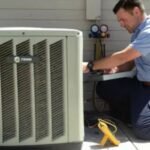
A real service visit isn’t rushed. It includes electrical testing, refrigerant evaluation, safety checks, airflow measurement, and thermostat calibration. The goal isn’t just to confirm the system runs, but to understand how well it runs.
Companies like FuseService focus on diagnosing performance, not just ticking boxes. A trustworthy Bay Area HVAC company will also explain what they find in plain language, helping homeowners make informed decisions instead of guessing.
In conclusion
Most HVAC mistakes aren’t intentional. They come from assumptions — that comfort means health, that silence means safety, or that service can always wait. Over time, those assumptions tend to work against homeowners rather than protect them.
Routine care changes that dynamic. Regular HVAC maintenance shifts homeowners from reacting to problems to preventing them. And over time, that approach leads to systems that last longer, cost less to operate, and fail far less often.