Medical education has provided the foundations of health care systems throughout the world, yet it far transcends training individual doctors. Changes in Medicine Today, along with all areas of knowledge and technology, medicine continues to evolve, and its structure, philosophy of practice, and capital impact innovation around the world. Whether it’s with research-based instruction or interdisciplinary preparation, how we train our next generation of doctors affects patient care, public health, and the speed of medical discovery.
The Science of Medicine: A Study of the Fundamental Principles of Modern Medical Science and Practice
Science is all that medicine-education can rely upon to settle. Anatomy, physiology, biochemistry , and pathology are the primary focus of early training—foundation disciplines for comprehending disease through the lens of both molecules as well as systems. These foundations have evolved in medical schools to integrate new areas such as genomics, personalized medicine, and biomedical informatics.
This is indeed a missed line in the enclosure, unless it can be fished for among existing treatments and tested more critically than hitherto. Where clinicians are equipped to read the research evidence, critique clinical trials, and understand statistical significance, they may be better placed to adopt such evidence-based innovations. As medical systems deal with more complex diseases, such analytic tools are critical.
For prospective medical students, those factors make acceptance into research-literate and innovative programs a goal that requires careful groundwork. A lot of students rely on med school admissions consulting to learn how their academic and science experiences stack up with those at today’s medical schools.
Research Exposure and Innovation Mindset
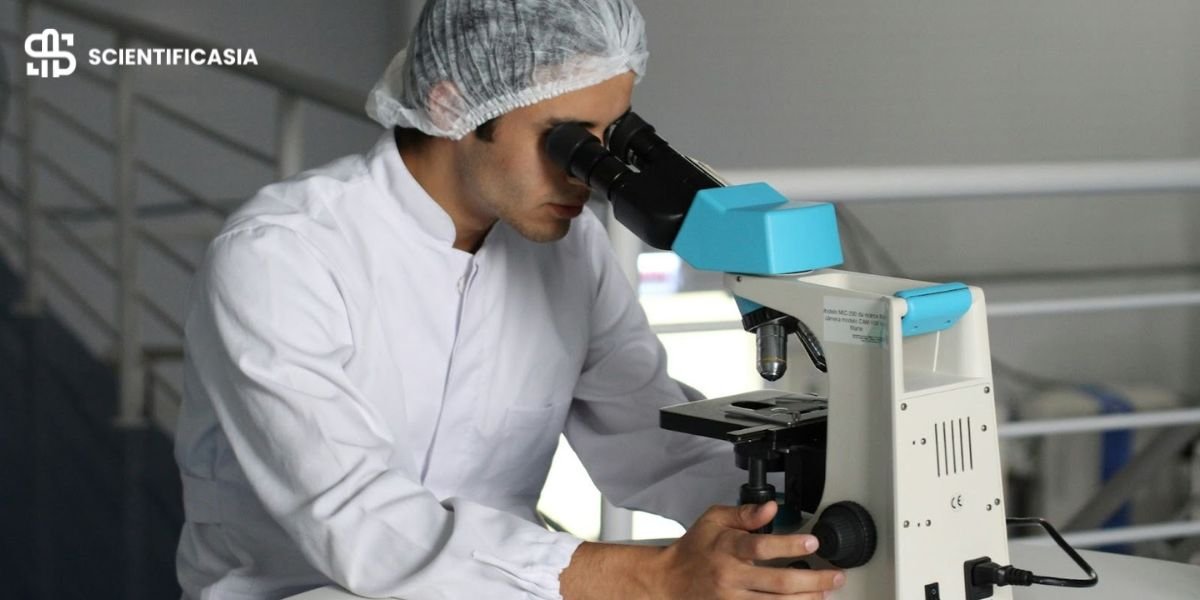
Early research exposure is one of the greatest influencing factors for modern medical education. Most schools now recommend or mandate that students take part in lab-based, clinical, and population health projects. This exposure inspires curiosity and trains future physicians to transcend symptoms and diagnoses.
Another key driver of healthcare innovation is the research experience. Such MD-PhDs often serve as intermediaries between basic discoveries and medical practice. Their two-pronged perspective enables them to pinpoint unmet clinical requirements and turn scientific discoveries into actionable innovations, be it new diagnostics, treatments, or health technologies.
The medical community if medical students engage in research during their training, they will more likely have innovation-based careers and be part of the workforce to work on breakthroughs in oncology, neurology, and infectious diseases.
Interdisciplinary Education and Collaborative Healthcare
Medical progress is seldom made in a vacuum. Contemporary medical education has a growing focus on interdisciplinary learning that integrates medicine, engineering, data science, public health, and ethics. This team-based model mirrors actual health care settings in which physicians practice with researchers, technologists, and policy experts.
Programs that blend AI, health economics, and systems-based care help train future healthcare professionals to think about patient outcomes in a holistic way. For instance, learning how data analytics can enhance diagnostic confidence or policy influences access to care enables future physicians to positively impact the system.
This kind of interdisciplinary interfacing gives doctors the flexibility to respond to constantly changing healthcare environments and leadership in advancing new programs for hospitals, research organizations, and even public health.
Technology, Simulation, and Training’s Future
The development of technology has revolutionized medical education. Students can also practice complex procedures, under controlled conditions, using simulation-based training, virtual anatomy platforms, and AI-assisted learning tools. These advancements minimize medical error and improve clinical confidence prior to students reaching patients.
Digital health tools also help acquaint trainees with the technology they’ll be using in practice, like telemedicine platforms and electronic health records. Medical schools embark on using technology in education to prepare graduates who are primed for innovation, not resistance.
For students, trying to navigate this changing educational model can be difficult, and pursuing the assistance of an experienced medical school application consultant is beneficial in helping position candidates for programs that value cutting-edge and innovative training methods.
Global health systems in the long term
The impact of medical education is felt long after the individual has moved on. Innovatively trained physicians frequently engage in healthcare system reform, global health work, and policy construction. Their scientific literacy and troubleshooting abilities are essential to solving current problems such as pandemics, an aging population, and health inequities.
Medical education is the definitive factor in shifting how doctors think, work together, and apply science — and the future of health care. As curricula further develop, the contribution to innovation is likely to continue as a key influence in enhanced patient care and medical pioneering across the globe.