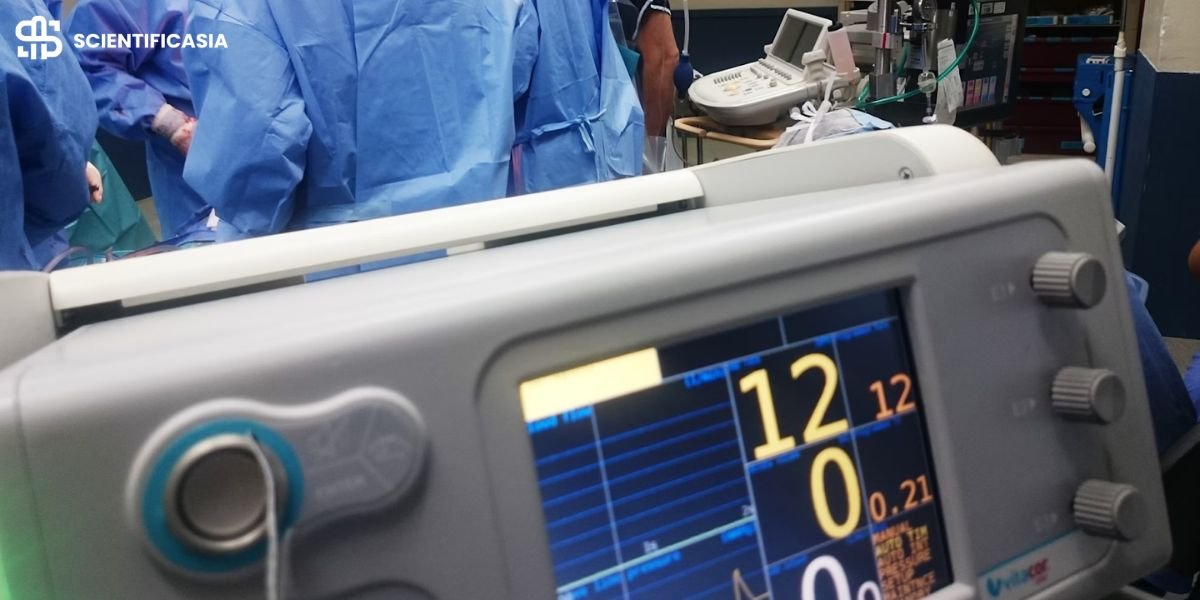
Inflation has not been kind to anyone, and the medical sector is no exception. With budgets under pressure, many providers have turned to repairing and refurbishing equipment rather than replacing it outright. What began as a cost-saving necessity has become a substantial market in its own right.
The numbers back that up. According to Arizton, the global refurbished medical equipment market was worth about $18.94 billion in 2023 and is projected to reach $37.60 billion by 2029, growing at roughly 12% a year. Worth noting: forecasts vary quite a bit between research firms. MarketsandMarkets puts the 2029 figure closer to $24.41 billion, and The Business Research Company estimates $32.84 billion. The direction is consistent even if the exact numbers are not, and every forecast points to strong growth.
Several forces created this momentum at once: providers are under constant pressure to cut costs, sustainability has become a genuine priority rather than a talking point, and better technology has made refurbished equipment more reliable than it used to be. North America leads the market, holding over 27% of the global share in 2023, with Europe and Asia-Pacific also growing quickly (Arizton, 2025).
Here is how to approach repair and refurbishment properly.
First: Repair or Replace?
Before calling anyone, it helps to answer this question deliberately rather than by default. A few factors usually decide it:
- Age and remaining life. If the device is near the end of its supported lifespan, repair may only buy months.
- Repair cost versus replacement cost. A common rule of thumb is that if a repair costs more than roughly half the replacement price, replacement deserves serious consideration, though this varies by device type and expected remaining life.
- Parts and support availability. Once a manufacturer discontinues support and parts, ongoing repair becomes progressively harder and more expensive.
- Downtime tolerance. For equipment that is central to patient throughput, the cost of being without it may outweigh the repair savings.
- Regulatory and safety status. If the device can no longer meet current safety or performance standards, replacement is the answer regardless of cost.
Working through these five points before you start makes the rest of the process much simpler.
Finding a Professional Repair Service
Your choice of repair provider affects both the quality of the repair and how long the equipment lasts afterward. A few things to look for.
Certifications and Compliance
Choose a service certified by recognized bodies. Companies in this space typically point to FDA regulations and ISO standards as evidence that their work meets safety and quality benchmarks. Soma Technology, for example, states that it adheres to FDA regulations and ISO standards in its refurbishment work.
Two points worth understanding here. First, ISO 13485 is the quality management standard specific to medical devices, and it is the certification most worth asking about. Second, the FDA draws a distinction between “servicing” (returning a device to its original specifications) and “remanufacturing” (changing its performance, safety specifications, or intended use). Remanufacturers face significantly more regulatory obligations than servicers. Ask any prospective vendor which category their work falls into, because it affects your compliance position as well as theirs.
Service Agreements and Warranties
Do not begin a repair without a service agreement in place. Good agreements cover warranties on both parts and labor. Integrity Biomedical Services, for instance, advertises extended warranties and ongoing maintenance contracts. Agreements like these help control future repair costs and prevent surprises.
Researching Providers
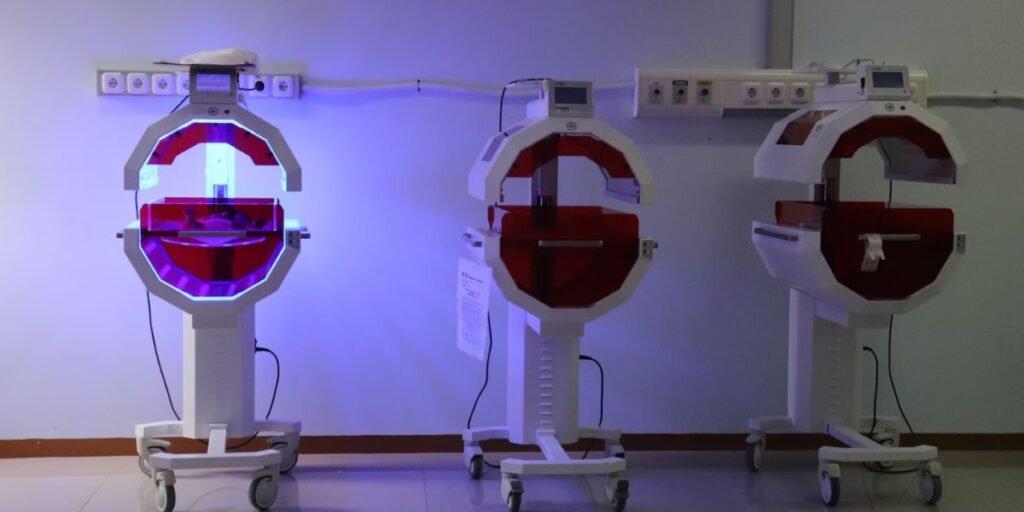
When comparing vendors, the same evaluation applies to all of them. MT-Unirepair is one example of a provider offering comprehensive services across a range of medical devices, from diagnostics and repairs through to full refurbishment, including work on imaging equipment such as ultrasound machines, MRI systems, and scanners. Whichever provider you consider, the criteria below are what actually separate a good vendor from a risky one.
A Checklist for Evaluating Any Repair Vendor
Ask every prospective vendor these questions before committing:
- Which certifications do you hold, and can you provide documentation? (ISO 13485 in particular.)
- Do you service or remanufacture? This determines the regulatory obligations involved.
- Do you use OEM parts, and will you confirm that in writing?
- What does your warranty cover, for how long, on parts and on labor?
- What is your typical turnaround time, and do you offer loaner equipment?
- What post-repair testing and calibration do you perform, and will I receive documentation?
- Can you provide references from facilities similar to mine?
- How do you handle any patient data stored on the device? (A real consideration for imaging systems and monitors.)
A vendor who answers these clearly is usually a safe bet. One who is vague about certifications, parts, or testing is not.
Ensuring Quality Repairs
Once you have chosen a provider, a few things determine whether the repair is done properly.
Comprehensive Diagnostic Testing
Make sure your provider performs a thorough diagnostic before repairing anything. Medical diagnostic equipment can be technically complex, and correctly identifying the fault first saves considerable money. It sounds obvious, but repairing the wrong component is a common and expensive mistake.
OEM Parts
Insist on Original Equipment Manufacturer parts. Using OEM components matters for technical performance, safety, and warranty validity, and non-OEM substitutions can void manufacturer warranties or create compliance problems. Major manufacturers such as GE Healthcare emphasize OEM parts in their own service processes, and any third-party vendor should be willing to commit to the same in writing.
Post-Repair Testing
Functional testing and calibration after the repair confirm that the equipment meets safety and performance standards before it goes back into clinical use. Manufacturers, including Siemens Healthineers, describe rigorous post-repair testing procedures, and you should expect documented test results from any vendor, not just a verbal assurance that it works.

Maintaining Equipment After Repair
A repaired device stays reliable only if it is maintained. This is where most of the long-term savings actually come from.
Preventive Maintenance
Scheduled preventive maintenance catches problems before they become breakdowns. Regular inspections and calibrations reduce unexpected failures and extend equipment life. Most repair providers offer preventive maintenance programs, and building one into your service agreement is usually cheaper than paying for emergency repairs.
Staff Training
Proper training on operation and basic maintenance significantly reduces damage and misuse. Training should cover correct operation, basic troubleshooting, and routine maintenance tasks. Many providers include training in their service packages, and it is worth taking them up on it.
Documentation and Monitoring
Keep detailed records of every repair and maintenance activity. Over time, this tells you which devices and which components fail most often, which informs both maintenance planning and replacement decisions. Specialized maintenance management software makes this easier and ensures nothing is missed.
Where the Field Is Heading
Two developments are worth watching. First, refurbishment processes are increasingly using AI for defect detection and quality assurance, which is improving consistency in an industry that has historically varied a lot by vendor (MarketsandMarkets, 2025). Second, sustainability has moved from a nice-to-have to a procurement criterion. Refurbishment keeps working equipment out of the waste stream, and for healthcare systems with formal environmental targets, that is becoming a documented benefit rather than an incidental one.
Wrapping Up
Repairing and refurbishing medical equipment efficiently does more than protect budgets. Done properly, it keeps critical devices safe and functional for longer, reduces waste, and saves a great deal of stress for the people who depend on that equipment daily.
The essentials are straightforward: decide deliberately whether to repair or replace, choose a certified vendor and verify the certification, insist on OEM parts and documented post-repair testing, and maintain the equipment properly afterward. Get those right and refurbishment becomes a genuinely sound strategy rather than a compromise.
Frequently Asked Questions
Should you repair or replace medical equipment?
It depends on the device’s age and remaining supported life, the repair cost relative to replacement, parts availability, how much downtime you can tolerate, and whether the device can still meet current safety standards. As a rough guide, repairs costing more than about half the replacement price warrant a serious look at replacing instead.
What certifications should a medical equipment repair company have?
ISO 13485 is the quality management standard specific to medical devices and is the key one to ask about. Providers should also be able to explain their compliance with applicable FDA regulations and to say clearly whether their work counts as servicing or remanufacturing, since the obligations differ.
Why do OEM parts matter in medical equipment repair?
Original Equipment Manufacturer parts are built to the device’s original specifications, which matters for performance and safety. Non-OEM substitutions can also void manufacturer warranties and create compliance complications, so it is worth getting an OEM commitment in writing.
How big is the refurbished medical equipment market?
Estimates vary by research firm. Arizton values it at $18.94 billion in 2023, rising to $37.60 billion by 2029, while MarketsandMarkets projects $24.41 billion by 2029 and The Business Research Company projects $32.84 billion. All forecasts point to strong growth, driven by cost pressure and sustainability goals.
What is the difference between servicing and remanufacturing?
Servicing returns a device to its original specifications. Remanufacturing changes its performance, safety specifications, or intended use. The distinction matters because remanufacturers carry substantially greater regulatory obligations, so it is worth asking any vendor which category their work falls into.