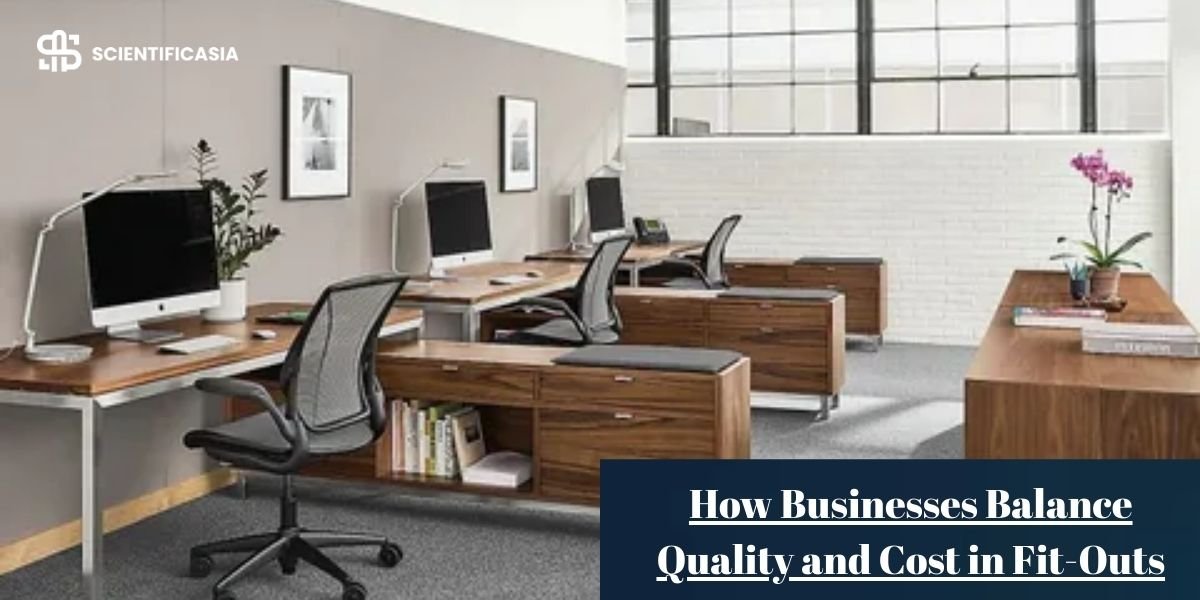
Balancing quality and cost in office fit-outs is a practical challenge for many businesses, especially in competitive and budget-conscious markets like New Zealand. Office environments need to support productivity, represent the brand well, and remain adaptable to future changes, all without overspending. The key lies in strategic planning, smart sourcing, and a focus on long-term value rather than just short-term savings.
Using a Mix of New and Pre-Owned Furniture
One of the most effective ways businesses control fit-out costs while maintaining quality is by choosing a combination of new and second-hand furniture. This approach allows companies to allocate their budget where it matters most—investing in essential, high-use items while sourcing pre-owned alternatives for less critical areas.
In particular, many businesses have found success by sourcing a range of new and pre-owned commercial furniture at FIL Furniture. This approach supports both cost savings and sustainability goals, as refurbished pieces can offer excellent build quality and aesthetic value at a reduced price. It also enables businesses to meet functionality and branding needs without compromising on durability or design consistency.
Prioritising Value Over Initial Price
Businesses often fall into the trap of choosing the cheapest options during a fit-out, only to face higher replacement and maintenance costs later. To avoid this, companies are increasingly evaluating purchases based on total cost of ownership, which considers durability, repairability, and the potential for future reuse.
For instance, high-quality chairs or desks, whether new or refurbished, can last significantly longer and offer better ergonomic support, resulting in improved staff comfort and reduced downtime. Choosing quality where it counts, such as for shared or high-use furniture, can therefore reduce overall costs over time and improve the day-to-day work experience.
Setting Clear Fit-Out Priorities
Another way businesses balance quality and cost is by clearly defining fit-out priorities early in the planning stage. This includes identifying which areas of the office require premium features, such as client-facing spaces, and which can be fitted out with standard or repurposed elements. By applying strategic spatial layout, businesses can align spend with function and maximise return on investment across the entire fit-out.
Segmenting the workspace in this way enables better control of costs while ensuring high-visibility zones meet expectations for presentation and performance, without overspending on areas with lower operational impact.
Leveraging Supplier Expertise and Flexibility
Working with experienced suppliers is critical to achieving the right balance. Reputable providers understand the specific needs of commercial environments and can guide businesses toward appropriate solutions—highlighting where savings can be made without reducing quality.
They may also offer services like space planning, bulk discounts, or tailored product sourcing, which can help businesses meet both design and budget objectives. Flexibility is important too—many companies benefit from choosing modular or easily reconfigurable furniture that can adapt to future layout changes, avoiding the need for frequent refits.
Practical Balance Through Informed Decisions
Balancing quality and cost in office fit-outs doesn’t require compromise when guided by informed, practical decision-making. By combining new and pre-owned furniture, focusing on long-term value, and working with the right suppliers, businesses in New Zealand can create professional, functional workspaces that support both their teams and their budgets.