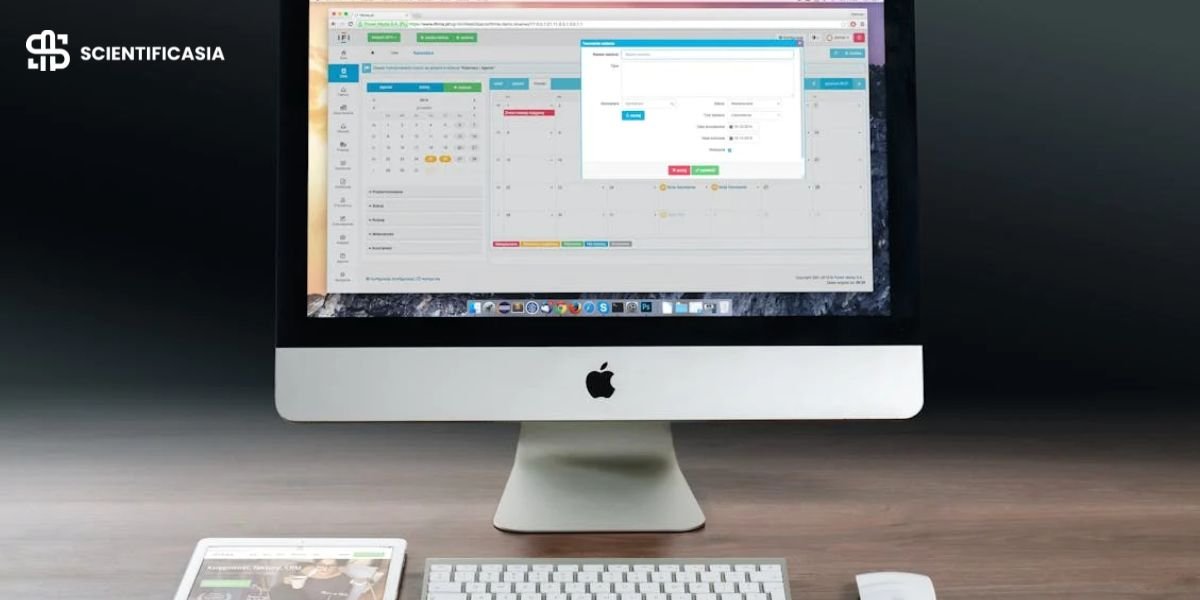
Request for Information (RFI) software is vital for businesses seeking to streamline their procurement and project management processes. It facilitates collecting and analyzing information from various stakeholders and suppliers. With the right RFI solution, companies can optimize workflows, reduce manual errors, and save valuable time. In a market flooded with numerous options, selecting the ideal software can be daunting. Below, we will walk you through the key elements to consider, ensuring you make an informed decision for your business.
Key Features to Look for When Selecting RFI Software

When choosing RFI software, ease of use should be a top priority. Intuitive interfaces and simple navigation ensure that all users can operate the software effectively, regardless of their technical proficiency. This promotes wider adoption across the organization and helps realize the software’s benefits more quickly.
Collaboration features are also indispensable. As RFIs often involve multiple stakeholders, the ability to work collectively on the same request is crucial. Look for software that allows for real-time collaboration, version control, and seamless communication. This reduces the risk of errors and shortens the time needed to compile and evaluate the responses.
Scalability is another critical aspect to consider. The software you select should be able to grow with your business, accommodating an increasing number of RFIs and users without compromising performance. Additionally, integration capabilities with your existing systems, such as ERP or CRM platforms, will help maintain data consistency and automate workflow processes.
Lastly, robust reporting and analytics features can transform raw RFI data into actionable insights. The best RFI software should offer customizable reports and dashboards that effectively visualize data, helping businesses track performance metrics and identify areas for improvement. By incorporating these essential features, you can ensure a future-proof investment that contributes positively to your business operations.
Comparing Top RFI Software Providers: A Guideline for Businesses

As you begin the comparison process, evaluate the reputation and stability of the RFI software providers. Established companies with a strong track record are generally more reliable and offer better support. Testimonials, case studies, and industry accolades can provide valuable insights into the provider’s credentials and the performance of their software in real-world scenarios.
Product demos and trial periods are critical in assessing whether the RFI software meets your needs. During this phase, pay close attention to the responsiveness of customer support teams, as this can indicate the service you will receive after making a purchase.
When evaluating different RFI software options, consider the total cost of ownership. Beyond the initial purchase price or subscription fees, consider the costs associated with training,
implementation, and ongoing maintenance. A seemingly inexpensive solution can become costly if it requires extensive support or frequent upgrades.
The security of your data is paramount when choosing an RFI software provider. Ensure prospective software complies with industry-standard security protocols and offers features like data encryption, access control, and regular backups. Given the sensitive nature of the information exchanged through RFIs, your chosen software must safeguard your data against unauthorized access and cyber threats.
Implementing RFI Software – Steps for Smooth Integration and Adoption
Successful implementation of RFI software begins with a well-crafted rollout plan. This involves designating a project team, establishing clear objectives, and setting realistic timelines to ensure project success. Engaging with stakeholders early in the process helps identify potential challenges and secure buy-in, crucial for seamless adoption across the organization.
Training is essential to maximize the software’s potential and ensure users are comfortable with the new system. Investing in comprehensive training sessions, whether offered by the software provider or conducted in-house, is well worth the effort. All users must understand the software’s features and how they integrate into their daily workflows.
Data migration is often a critical step in implementing new software. It requires careful planning to ensure that existing information is transferred accurately and without loss. The project team should work closely with the software provider to understand the migration process, test the system thoroughly before going live, and prepare contingency plans in case of any issues.
Overall, selecting the right RFI software requires carefully evaluating its features, the provider’s reputation, integration capabilities, and long-term value. By investing in a solution that supports collaboration, scalability, and security, businesses can streamline their processes and drive more efficient decision-making.