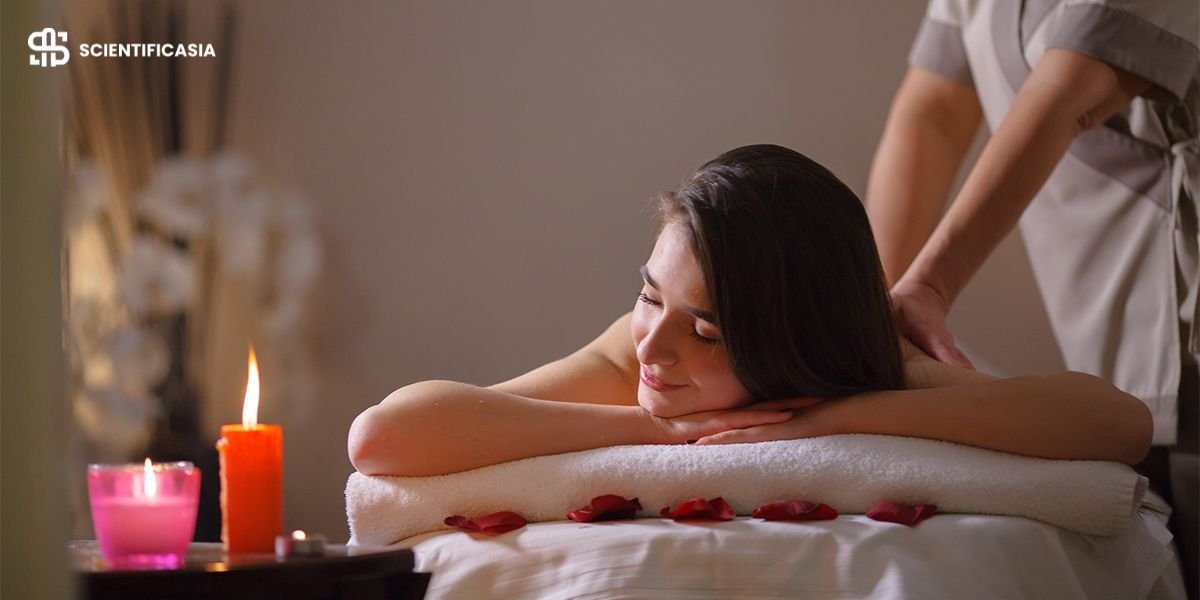
Getting ready for a deep tissue massage can make your entire experience much better. Because deep tissue massage targets the deeper layers of muscle and connective tissue, a little preparation helps you get the maximum benefit from your session.
Imagine walking into the treatment room already relaxed and calm. Proper prep helps you achieve that exact state of mind. Understanding what to expect from professional massage therapy and getting into the right mindset are your core first steps. Here is how you should prepare, both before and after your session.
Is Deep Tissue Massage Right for You?
Before you book, a quick word on safety. Deep tissue massage is effective, but it is not suitable for everyone.
You should avoid or carefully adapt this treatment (with medical clearance) if you:
- Have a blood clotting disorder or a history of deep vein thrombosis (DVT).
- Take blood-thinning medications.
- Are pregnant (unless your therapist has specialized prenatal massage training).
- Have active injuries, inflammation, infections, or open wounds in the target area.
If you have any existing medical condition or take circulation-related medication, check with your doctor first. Always inform your therapist before your session starts. A good therapist will review your health history, and full transparency keeps you safe.
Before Your Massage
1. Timing Matters
Choose a time slot where you will not feel rushed. Booking a moment when your schedule is clear—and arriving 10 to 15 minutes early—helps your body settle down. Some clients prefer morning sessions to start the day with flexible muscles, while others like evening slots to unwind after work. Pay attention to when your body feels most receptive.
2. Stay Hydrated
Drinking water before your appointment makes a real physical difference. Well-hydrated muscles and fascia are more pliable, which makes deep pressure feel more comfortable and allows the therapist to work more effectively. Proper hydration also reduces post-session muscle soreness.
Let’s clear up a common myth: massage does not “release toxins,” and water does not “flush toxins out.”
What massage actually does is temporarily boost blood circulation and lymphatic flow, helping move normal metabolic by-products (like lactate) through your tissues. Your liver and kidneys handle body waste processing, as they always do.
Drink water for the actual physical benefits: suppler muscles and less soreness. Aim for several glasses in the hours leading up to your session, and keep sipping afterward.
3. Take a Warm Shower (Optional)
If you have time, take a warm shower before your appointment. Heat relaxes tight muscle fibers, making deep manual work significantly smoother and more comfortable.
4. Dress Comfortably
Wear loose, easy-to-remove clothing to your appointment. While your therapist will provide professional draping or a gown during the session, arriving in comfortable clothes prevents unnecessary restriction and stress before you even lay on the table.
5. Create a Calm Mindset
Your mental state directly affects your physical muscle tone. Before leaving home, take five minutes to ground yourself. Dim the lights, listen to quiet music, or sit in silence. Arriving at the clinic calm—rather than rushing through traffic in a panic—improves how your body responds to touch.
6. Communicate Openly
Talk to your therapist before the session begins. Point out specific areas of tension, past injuries, or sensitive spots.
Be upfront about your pressure preferences. Some people thrive on firm work, while others need a lighter approach. Your comfort guides the treatment, so speak up if anything feels off during the session.
7. Practice Deep Breathing
Take a few slow, deep breaths right before your session starts. Deep abdominal breathing activates your parasympathetic nervous system, lowering your heart rate and easing nerves. As you exhale, focus on softening your shoulders and releasing conscious tension.
8. Eat a Light Meal
Never go into a deep tissue session on an empty stomach, but avoid heavy meals right before. Eat a light snack an hour or two ahead—such as a banana, yogurt, or a handful of nuts. This gives you steady energy without forcing your body to focus on heavy digestion during treatment.
9. Set a Clear Intention
Decide what you want out of the session. Are you looking for chronic back pain relief, stress reduction, or better shoulder mobility? A clear goal helps you remain focused and gives your therapist precise direction.
After Your Massage (Essential Aftercare)
What you do after your massage is just as important as your prep work. Proper aftercare extends your results.
- Keep Drinking Water: Continue hydrating throughout the day to support muscle recovery and reduce stiffness.
- Rest and Unwind: Keep your schedule light for the rest of the day. Read, take a gentle walk, or enjoy a warm bath. Avoid heavy workouts or strenuous lifting for at least 24 hours so your muscle fibers can repair.
- Expect Mild Soreness: Feeling slightly sore for 24 to 48 hours is completely normal after deep work. It feels similar to the Delayed Onset Muscle Soreness (DOMS) you get after a gym workout. It is caused by physical pressure on your muscle tissue and fascia, not by “toxins.” Light stretching and ice packs can ease this transition.
- Eat Nutritious Foods: A balanced meal rich in lean protein and antioxidants supports natural cellular recovery.
- Prioritize Sleep: Quality sleep is when your neuromuscular system does its best healing work.
When to Seek Medical Advice: Normal post-massage soreness fades within two days. If you experience sharp, severe, or worsening pain, contact a healthcare professional immediately.
Conclusion
A thoughtful preparation routine turns a basic deep tissue massage into a deeply restorative experience. Arriving well-hydrated, rested, and mentally present allows your therapist to work effectively without causing unnecessary discomfort. Respect the medical guidelines, communicate clearly, and give your body the rest it needs afterward to fully recharge.
Frequently Asked Questions
Should I eat before a deep tissue massage?
Yes, but keep it light. Eat a small snack—like a banana, yogurt, or a few nuts—1 to 2 hours before your appointment so your body isn’t working hard to digest a heavy meal.
Does massage release toxins, and does water flush them out?
No. That is a widespread myth. Massage improves blood circulation and fluid movement, but your liver and kidneys handle toxin elimination. Water keeps your muscle tissue soft and pliable, which reduces post-session soreness.
Why am I sore after a deep tissue massage?
Mild soreness for 24 to 48 hours is standard. It is caused by firm physical pressure applied to tight muscle fibers and connective tissue, similar to how your body feels after an intense workout.
What should I wear to my massage appointment?
Wear loose, comfortable clothes. Your therapist will step out of the room so you can disrobe to your comfort level, and they will use professional draping sheets throughout the massage.
Who should avoid deep tissue massage?
Avoid or modify deep tissue massage if you have blood clotting disorders, deep vein thrombosis (DVT), take blood thinners, or have open wounds and acute inflammation. Pregnant clients should always work with a certified prenatal massage specialist.
How soon can I exercise after a deep tissue massage?
Avoid heavy lifting or high-intensity workouts for 24 hours to give your muscle tissue time to recover. Gentle movements, like light walking or soft stretching, are fine.