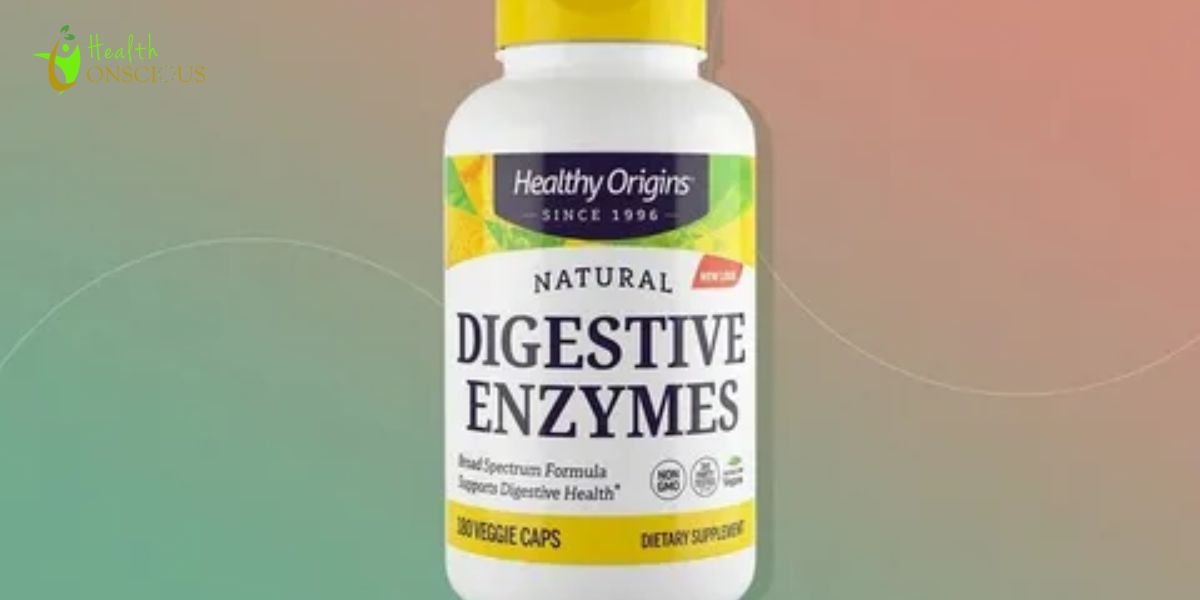
Health supplements and digestive enzymes have become a routine part of how many people try to support their well-being, and interest in them keeps growing. Some, such as maca root, attract attention for their reputed effects on energy and vitality. It is worth understanding what these products actually are, how they interact with the body, and, just as importantly, what the evidence does and does not support, because the gap between marketing and evidence in this area is wide.
What Health Supplements Are
A dietary supplement is a product intended to add to the diet and supply nutrients that may be missing or eaten in insufficient amounts. Supplements come as tablets, capsules, powders, and liquids, and the category is broad, covering vitamins, minerals, herbs and other botanicals, amino acids, and enzymes. They are meant to fill genuine gaps rather than to replace a varied diet, which for most people supplies the nutrients they need without additional products.
How Digestive Enzymes Work
Digestive enzymes are substances the body produces to break food down into nutrients it can absorb. Several work in sequence along the digestive tract, each with a specific job. Amylase, present in saliva, begins the digestion of carbohydrates. Pepsin, in the stomach, starts breaking down protein. Pancreatic enzymes released into the small intestine, including lipase, continue the process, with lipase handling fats. In a healthy person, the body produces these in the amounts it needs.
What the Evidence Says About Enzyme Supplements
This is where a careful distinction matters, because digestive enzyme supplements are often marketed far beyond what the evidence supports. There is a clear, established use: people with a diagnosed enzyme insufficiency, most commonly exocrine pancreatic insufficiency arising from cystic fibrosis, chronic pancreatitis, pancreatic cancer, or pancreatic surgery, genuinely need enzyme replacement. For them, doctors prescribe pancreatic enzyme replacement therapy (PERT, such as pancrelipase), which is FDA-approved and well supported by evidence. A couple of targeted over-the-counter enzymes are also evidence-based for specific triggers: lactase for people with lactose intolerance, and alpha-galactosidase for the gas that beans and certain vegetables can cause.
Outside those cases, the picture is much weaker. For healthy people without a diagnosed deficiency, there is no good scientific evidence that general over-the-counter digestive enzyme blends improve digestion or overall health, and some products carry claims, such as promoting weight loss or a flatter stomach, that are not supported at all. Prescription enzyme products and supplement versions are not the same thing, and the supplement versions vary widely in dosage, ingredients, and enzyme concentration. Anyone with persistent digestive symptoms such as bloating, unexplained weight loss, or oily, floating stools should see a clinician rather than self-treat, because those can signal a condition that needs proper diagnosis.
Supplements and Modern Lifestyles
Fast-paced routines and uneven eating habits can leave real nutritional gaps, and in those situations a specific supplement can help correct a specific shortfall. Nutrient needs also change over life, and there is some evidence that pancreatic enzyme output, particularly lipase, can decline with age. That said, the pancreas of a healthy older adult usually still produces enough enzymes for normal digestion, so age alone is not a reason to start enzyme supplements. The most reliable approach is to identify an actual deficiency, ideally with a clinician’s input, and address that, rather than taking supplements broadly on the assumption that more must be better.
Athletes and Active Individuals
Supplements are not only for people with deficiencies. Athletes commonly use them to support performance and recovery, and some of these uses are well established: protein powders are a convenient way to meet the higher protein needs of regular training, and amino acids are used to support muscle repair. Claims that digestive enzyme supplements meaningfully improve nutrient absorption or performance in healthy, well-nourished athletes, however, are not well supported by evidence, so they are better treated as unproven than as a reliable edge.
Maca and Herbal Supplements
Herbal supplements are often promoted for energy, vitality, or general wellness, and maca root is a common example. Maca has a long history of traditional use and is popular for its reputed effects on energy, but the scientific evidence for these benefits is limited and comes mostly from small studies, so it is best understood as a traditional remedy with promising but unconfirmed effects rather than an established treatment. The same caution applies to many botanical supplements: reputed benefits are not the same as demonstrated ones.
Safety and Regulation
Safety deserves as much attention as any benefit, and this is where many people are surprised by how these products are regulated. In the United States, under the Dietary Supplement Health and Education Act (DSHEA) of 1994, the FDA does not approve supplements for safety or effectiveness before they go on sale, and in many cases a company can bring a supplement to market without even notifying the agency. Responsibility for safety and for honest labelling sits largely with the manufacturer, which means quality and accuracy vary from product to product. Choosing products that carry independent third-party certification, such as USP Verified or NSF Certified, is one way to gain more assurance about what is actually in the bottle.
There are also real risks from overuse. Fat-soluble vitamins, namely A, D, E, and K, are stored in the body’s tissues rather than flushed out, so taking them in large doses over time can build up to toxic levels. Supplements can also interact with medications. For all of these reasons, it is worth consulting a healthcare professional before starting a new supplement, especially if you take other medicines or have a health condition, and treating any product that promises to cure or treat a disease with scepticism, since supplements are not permitted to make such claims.
The Bottom Line
Health supplements and digestive enzymes have a genuine place, but a narrower one than their marketing suggests. They are most useful for correcting an identified deficiency or managing a diagnosed condition, and least useful when taken broadly in the hope of a general boost. A varied diet remains the foundation, and where a supplement genuinely helps, the sensible path is an informed, targeted choice made with professional guidance rather than a shelf full of products bought on the strength of their claims.